


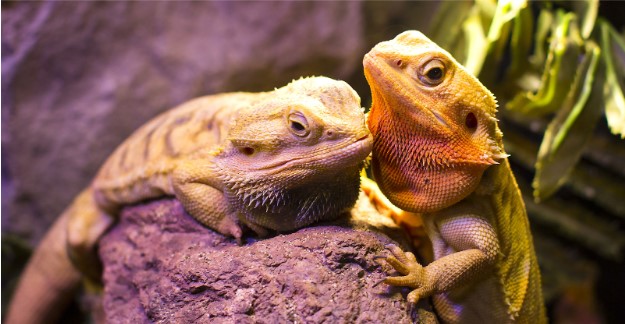
Buying a reptile can be a rewarding experience for any pet enthusiast. However, it is important to make careful choices to ensure that your new pet is healthy and well cared for. Reptiles require specific environments and diets, so understanding what to look for before making a purchase is essential. With proper knowledge, you can enjoy a healthy and happy reptile in your home for years to come.
Research Before Choosing a Reptile
Before buying any reptiles for sale, it is important to do thorough research on the species you are interested in. Different reptiles have different care requirements, including temperature, humidity, and diet. Knowing these details beforehand will help you choose a reptile that fits your lifestyle and ability to provide proper care. Research also helps you identify signs of a healthy reptile and avoid species that may be more prone to illness in captivity.
Check the Seller’s Reputation
When looking for reptiles for sale, the reputation of the seller is very important. A trusted seller will have a clean facility, knowledgeable staff, and a history of selling healthy animals. Avoid buying from unverified sources or online sellers without reviews, as this can increase the risk of purchasing a sick reptile. Visiting the seller in person can also give you an idea of how the animals are treated and whether they are kept in appropriate conditions.
Observe Physical Health
A key part of buying healthy reptiles for sale is checking the physical condition of the animal. Look for clear eyes, smooth skin or scales, and alert behavior. Signs of illness can include discharge from the nose or mouth, swollen limbs, or lethargy. A healthy reptile should be active and responsive, with no visible injuries or abnormalities. Taking your time to closely observe the animal before purchasing can prevent future health problems.
Ask About Diet and Care
Every reptile species has specific dietary and care needs. When buying reptiles for sale, ask the seller about the animal’s current diet and care routine. Understanding their feeding habits, enclosure setup, and temperature requirements can help you continue proper care at home. A reputable seller will provide this information willingly and offer guidance to ensure your reptile adapts well to its new environment.
Consider Quarantine and Veterinary Care
Even if a reptile looks healthy, it is a good practice to quarantine your new pet for a few weeks before introducing it to other animals. This helps prevent the spread of any potential diseases. Additionally, scheduling a check-up with a veterinarian experienced in reptile care is recommended. Regular health checks can catch any problems early and keep your pet in good condition for years to come.
Plan the Enclosure Properly
Before bringing home any reptiles for sale, make sure you have a suitable enclosure ready. The habitat should replicate the reptile’s natural environment, including proper heating, lighting, and humidity. A well-prepared enclosure reduces stress and supports the reptile’s health and longevity. Planning ahead ensures that your new pet adjusts quickly and thrives in its new home.
Monitor Behavior and Health Regularly
After purchasing your reptile, it is important to monitor its behavior and health regularly. Changes in eating habits, activity levels, or appearance may indicate a problem that needs attention. Being observant and proactive can prevent minor issues from turning into serious health concerns. Maintaining a consistent routine for feeding, cleaning, and temperature control also contributes to a happy and healthy pet.
Conclusion
Buying healthy reptiles for sale requires careful research, observation, and preparation. From understanding the species’ needs to choosing a reputable seller and maintaining proper care at home, every step is important for the well-being of your pet. By following these tips, you can ensure that your new reptile will thrive and bring joy to your home for many years. Proper planning, attention to detail, and regular monitoring are the keys to enjoying a healthy and happy reptile.